Is IPTV Legal in the UK? What Viewers Need to Know
The technology is legal; the service may not be. A clear, non-alarmist explanation of how licensing works in the UK, what the TV Licence covers, and how to tell a legitimate provider from a risky one.
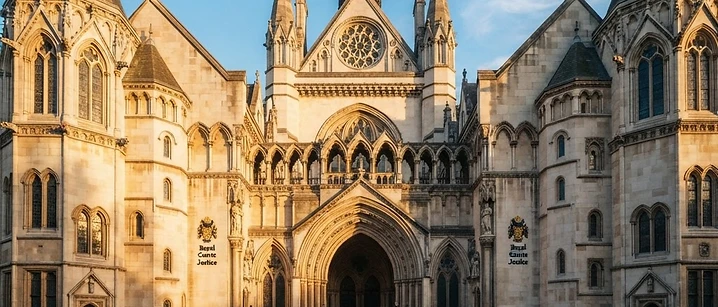
This is the question most UK viewers ask before subscribing, and it deserves a straight answer rather than a sales pitch in either direction.
The short answer: IPTV itself is entirely legal. It is a method of delivering television over an internet connection, in the same way that broadband is a method of delivering data. What is not automatically legal is the service — that depends on whether the operator is licensed to distribute the content it offers.
Why the technology and the service are different questions
Asking whether IPTV is legal is a little like asking whether driving is legal. The answer depends entirely on what is being done and by whom.
IPTV, short for Internet Protocol Television, describes how a signal reaches your screen: as data over your broadband line rather than through an aerial or a satellite dish. Legitimate uses are everywhere. The broadcaster apps on your Smart TV, the live streams on news websites and the catch-up services from UK broadcasters are all forms of IPTV. Nobody suggests those are unlawful.
The legal question arises one layer up, at the point where content is distributed. Television programmes, films and sports coverage are protected by copyright and by broadcasting rights. Distributing them to the public requires permission from the rights holder. A service that has that permission is operating lawfully. A service that does not is not — regardless of how professional its website looks.
The TV Licence question
This is separate from licensing, and it catches people out.
A TV Licence is required to watch or record live television on any platform — including live television delivered over the internet — and to use BBC iPlayer. That is true whether the picture arrives by aerial, satellite or broadband.
If you only ever watch on-demand content from services that are not the BBC, the position is different, but the rules are specific and they change from time to time. The authoritative source is the TV Licensing website, and it is worth checking there rather than relying on a forum post. Our legal information page summarises our own position.
What makes a service lawful
Three things, in practice.
Licensing. The operator has the right to distribute the content it offers. That is the whole question.
Transparency. The business is identifiable, publishes terms, and can be contacted. Our own are published at Terms of Service and Refund Policy.
Honesty about what is offered. A provider that describes its service accurately, including its limits, is behaving differently from one that promises everything forever.
Why we do not make claims about other providers
You will find articles online that label specific services as legal or illegal. We do not do that, and you should treat such claims with caution.
We have no way of knowing the licensing arrangements of another business, and neither does a blogger. Stating that a named company is breaking the law is a serious allegation, and stating that it is compliant is equally unverifiable. The honest position is that each service should be assessed on its own published information.
What we can do is be clear about our own position: we do not promote or support copyright infringement, unauthorised redistribution, or the bypassing of DRM, geo-restrictions or authentication controls. That is written into our disclaimer and our terms.
Red flags worth taking seriously
None of these is proof on its own, but a cluster of them should make you slow down.
- Absolute promises. Every channel, every league, every film, guaranteed, forever.
- No identifiable business. No company name, no address, no published terms, no refund position.
- Unusual payment routes. Payment methods chosen specifically to be hard to trace.
- Requests to install modified software. Especially on a device that also holds your email, banking or personal photographs.
- No support. Send a question before you buy and see what comes back.
- Prices that cannot fund the service. Servers, bandwidth and support all cost money.
What the risks actually are for a viewer
It is worth being accurate rather than dramatic.
Enforcement in the UK has focused mainly on supply. Courts have granted orders requiring internet service providers to block access to services found to be infringing, and prosecutions have largely targeted operators, resellers and those running the infrastructure rather than individual households.
That does not make the viewer risk-free. The practical dangers are more mundane and more likely:
- Streams that stop working because they have been blocked or shut down, with no refund and nobody to contact.
- Malware picked up from unofficial apps and players.
- Data exposure from handing details to anonymous operators.
- Payment problems when the merchant is untraceable.
How to check a provider before you pay
- Ask about licensing directly. Listen for a specific answer rather than a slogan.
- Read the terms. If they do not exist, that tells you something. Our terms are a useful comparison point.
- Check the refund position before paying, not after.
- Test support. One message is enough to judge whether anyone is home.
- Look for a real business with a published address and contact details.
- Be cautious with anything free and unlimited. Our free IPTV versus paid comparison explains why.
The practical conclusion
IPTV is a legitimate, widely used technology, and it is not going away. What determines whether your setup is lawful is the service behind it, not the app on your television.
A sensible approach is to ask three questions of any provider: who are you, what are you licensed to offer, and what happens if it does not work. A provider that answers all three clearly is worth considering. One that dodges any of them is not.
Frequently asked questions
Is IPTV legal in the UK? The technology is legal. IPTV is simply television delivered over an internet connection. Whether a particular service is lawful depends on whether it is licensed to distribute the content it offers.
Do I need a TV Licence to watch IPTV? You need a TV Licence to watch live television on any platform, including over the internet, and to use BBC iPlayer. Whether you need one for on-demand-only viewing depends on the service, so check the current rules on the TV Licensing website.
How can I tell whether an IPTV service is licensed? Ask directly and look for a specific answer. A provider should be able to explain the basis on which it offers content and publish clear terms, a refund position and real contact details. Vague answers are a warning sign.
What happens if I use an unlicensed service? Enforcement in the UK has focused mainly on suppliers and operators, but viewers can still be affected: streams get blocked, devices can be exposed to malware, and payment details given to anonymous operators carry their own risk.
Is IPTV the same as piracy? No. IPTV is a delivery method, in the same way that broadband is a delivery method. Piracy is about whether content is distributed without permission. The technology and the licensing are separate questions.
Where to go next
If you want to understand how the technology works before going further, read what is IPTV or the fuller IPTV UK guide. If your main concern is cost, our IPTV cost guide covers what you are actually paying for.
Frequently asked questions
Related guides

 UK Guides
Best IPTV Provider UK: What Should You Check Before Subscribing?
A practical checklist of what to verify before you choose an IPTV provider in the UK — and the warning signs that suggest you should walk away.

 UK Guides
IPTV Providers UK: How to Compare IPTV Providers in 2026
What separates one IPTV provider from another in the UK, and how to compare them fairly without relying on marketing claims.

 UK Guides
IPTV Subscription UK: Complete Guide to Choosing a Subscription
What to check before paying for an IPTV subscription in the UK — subscription lengths, connections, device support, guide quality and fair terms.


Ready when you are.
Pick a package, tell us your device, and we'll help you get set up for the evening.